
home navigate_next Knowledge Base navigate_next Waste management of stainless steel kegs vs plastic kegs

    📄 WHITEPAPER

    Waste management of stainless steel kegs vs plastic kegs

    Beverage-industry

    As consumers the small decisions we make for ourselves, our families and our businesses all add up to impact the environment in a big way. Ending the throw-away culture we live in is increasingly important to many, with policy makers paying special attention to the implementation of waste prevention measures. Within the container industry, this is driving a push to highlight the resource efficiency and high recyclability of THIELMANN stainless steel kegs compared to plastic kegs. Find out more about how choosing stainless steel is the most environmentally friendly decision you can make in this white paper.

    Please complete the form below to download your complimentary copy of this whitepaper to your device.

    DOWNLOAD YOUR PAPERS

    COMPLETE THIS FORM TO GET IMMEDIATE ACCESS TO THE DOCUMENT YOU REQUESTED

    RELATED ARTICLES

    As one of the world’s leading manufacturer of stainless steel containers, THIELMANN has accumulated significant expertise across a wide range of industries over many years.Our experts regularly compile educational material and analyses such as our Whitepapers and Case Studies, which are an excellent way to share in our knowledge and expertise and to find out more about our industry, product and application-specific insights and experience.We invite you to peruse our informative material and welcome any questions or enquiries you may have.

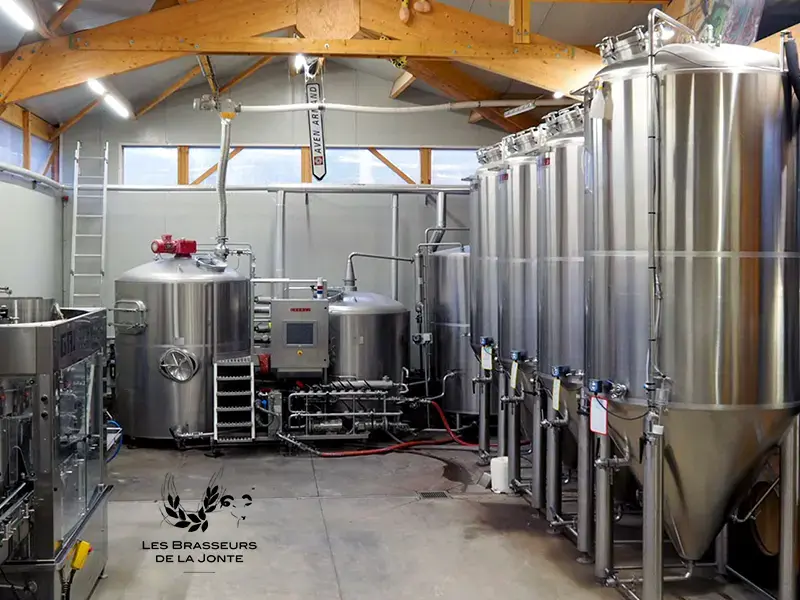
    KEGGING NOLO BEVERAGES: THE EXPERIENCE OF LES BRASSEURS DE LA JONTE

    How did an organic craft brewery in southern France put its lemonade and alcohol-free beer on draft? Discover how Les Brasseurs de la Jonte kegged its NOLO range without changing its stainless steel kegs or filling line.

    Beverage

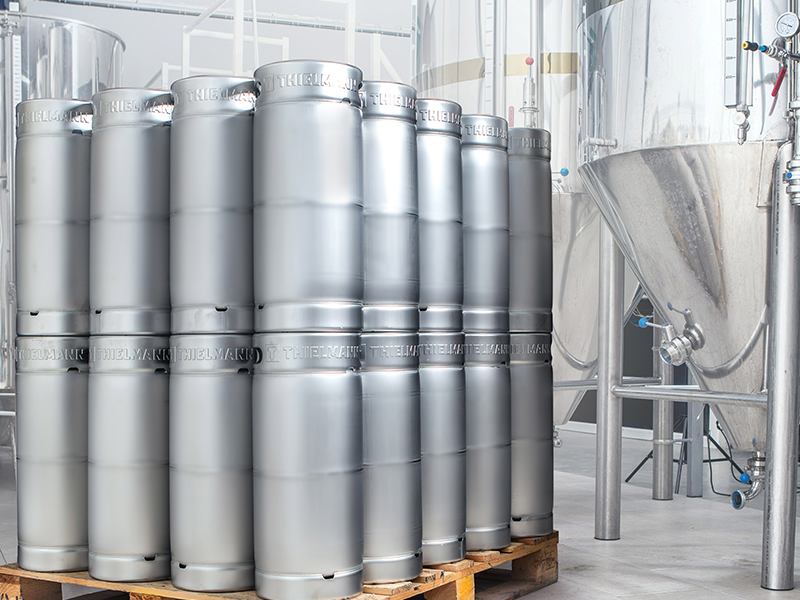
    THE CASE FOR KEGS IN THE NOLO BEVERAGE MARKET

    The no- and low-alcohol (NOLO) market is growing rapidly, with projections suggesting it’ll reach a value of $23.18 billion by 2030. As demand rises, traditional packaging formats face challenges.

    Beverage